How Secured Loans Help You Access Larger Loan Amounts
Planning to fund a business expansion, purchase new machinery, or invest in a major personal milestone? You may have noticed that lenders are willing to offer significantly higher amounts when you back the borrowing with an asset. That is the strength of a secured loan. In this guide, we explain how secured loans work, why they unlock larger loan amounts, and when they make the most financial sense.
What Is a Secured Loan?
A secured loan is a loan where the borrower offers an asset, such as residential or commercial property, machinery, or business receivables, as collateral to the lender. This collateral acts as the lender's safety net. If the borrower is unable to repay the loan, the lender has the right to recover the dues by liquidating the pledged asset.
Because the lender's risk is significantly lower, secured loans typically come with higher loan amounts, lower interest rates, and longer tenures, making them ideal for large or long-term financial goals.
Why Secured Loans Allow Higher Borrowing
Unsecured loans rely solely on your income and credit profile, which limits the amount a lender is willing to extend. With a secured loan, the underwriting equation changes because the asset shares the risk.
Here is why secured loans support larger borrowings:
- Reduced lender risk: Collateral provides assured recovery in case of default.
- Higher loan-to-value (LTV): You can typically borrow 60–80% of your asset's market value.
- Longer repayment tenure: Loans can extend up to 15–20 years, easing your EMI burden.
- Competitive interest rates: Lower rates allow a higher principal within the same monthly outflow.
For instance, a borrower who may qualify for a smaller unsecured loan can often secure a substantially larger amount through a Loan Against Property, depending on the property's valuation and the borrower's profile.
Common Types of Secured Loans
Secured loans in India come in several forms, each suited to a different financial need.
Loan Against Property (LAP)
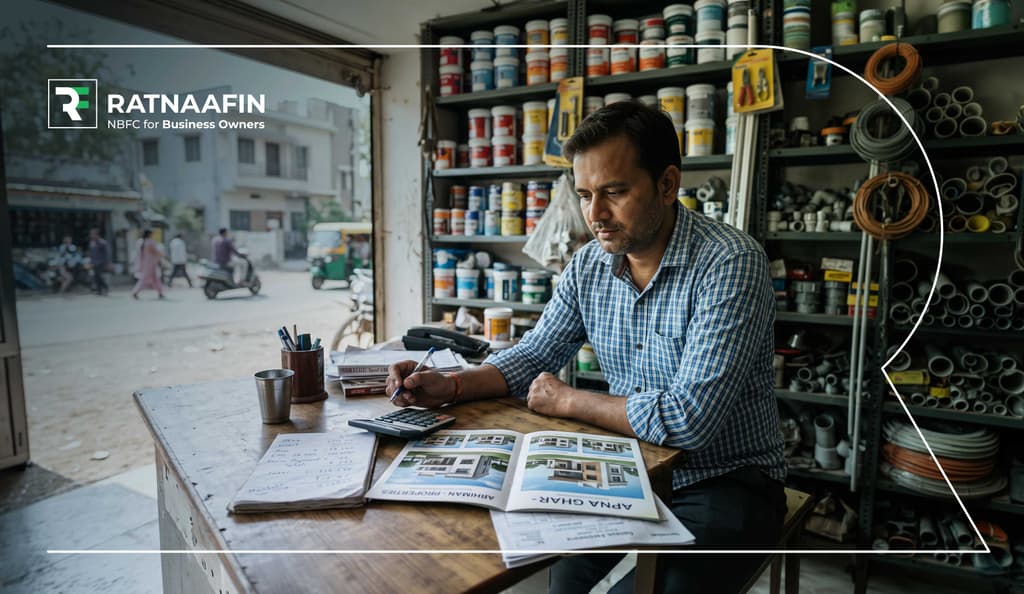
One of the most popular secured loans, LAP allows you to pledge residential or commercial property and use the funds for business expansion, education, medical needs, or other major life goals.
Mortgage Loan
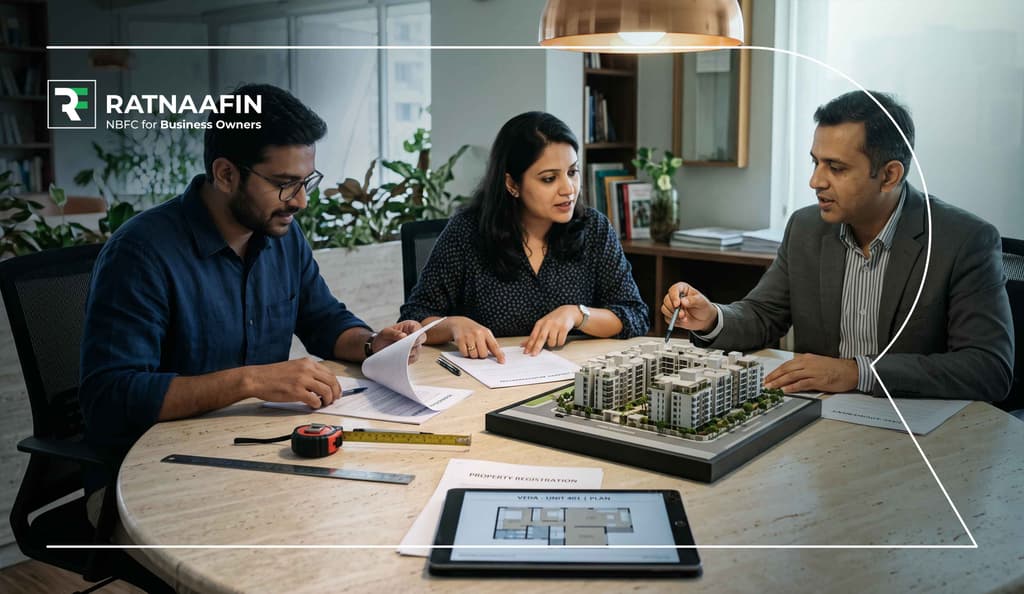
A Mortgage Loan helps you finance the purchase of a home or commercial space, with the property itself serving as collateral. It is one of the most cost-effective forms of long-term borrowing.
Machinery Loan
Designed for manufacturers, MSMEs, and growing businesses, a Machinery Loan helps you finance new equipment by using the machinery as security.
Business Loan Backed by Collateral
When businesses need a higher quantum of funds, a secured Business Loan offers competitive rates by leveraging fixed assets, receivables, or property.
Solar Loan
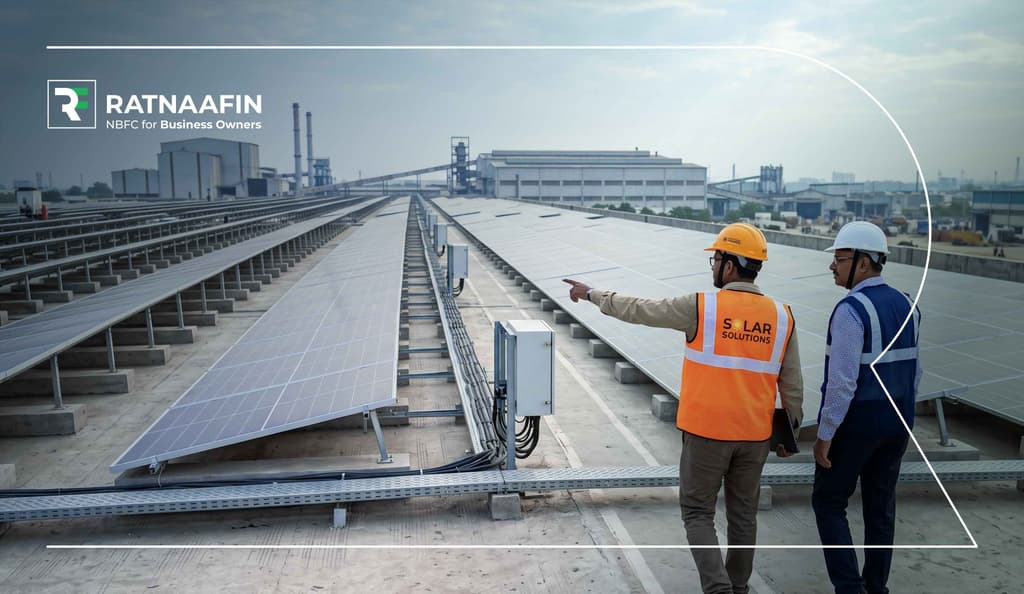
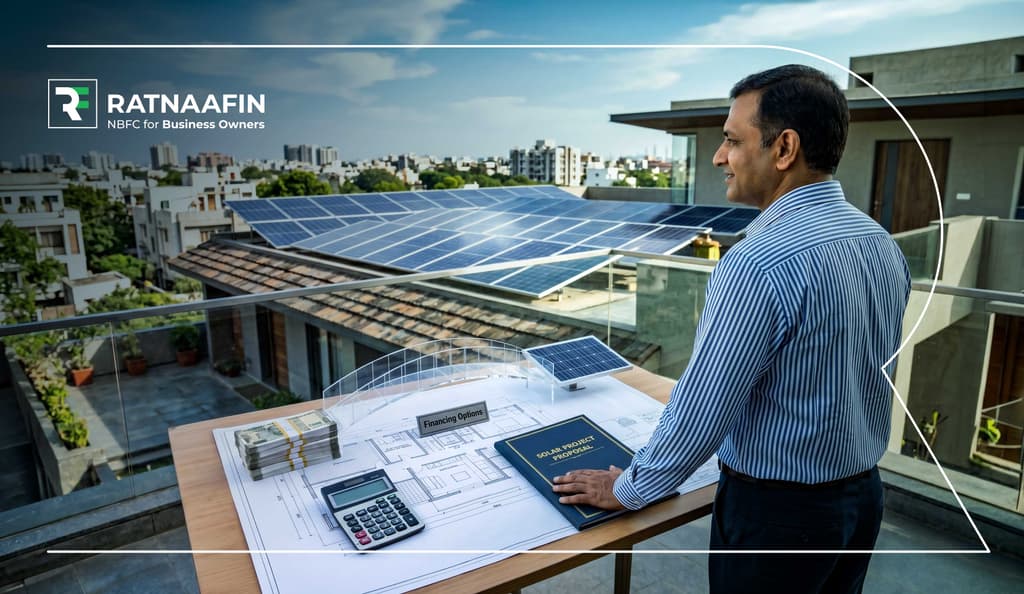
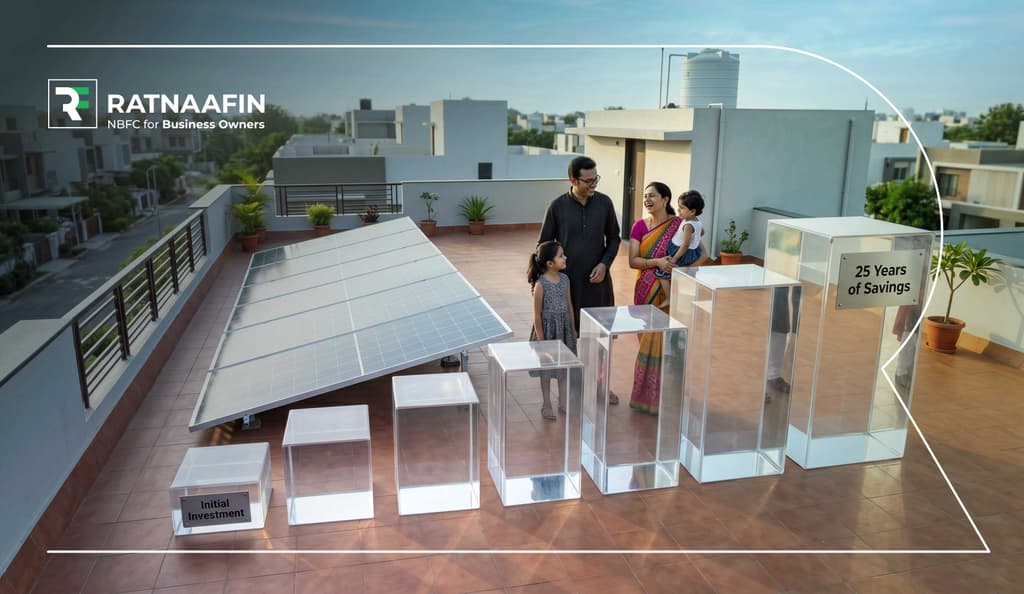
A Solar Loan, often supported by the underlying solar asset and government-backed schemes, helps homes and businesses fund rooftop solar installations affordably.
When Should You Consider a Secured Loan?
A secured loan is a strong choice when:
- You require a large loan amount that unsecured options cannot match.
- You prefer lower EMIs through an extended repayment tenure.
- You hold a valuable asset that can responsibly be leveraged.
- You want to reduce overall borrowing cost with a lower interest rate.
For business owners, a Loan Against Property or a secured Business Loan can be particularly useful for funding expansion, working capital needs, or asset acquisition without diluting equity.
How to Apply for a Secured Loan
The application process is simple and structured:
- Identify the asset you wish to pledge.
- Compare lenders on interest rates, processing fees, and repayment terms.
- Submit your KYC, income proof, and asset documentation.
- Wait for valuation, legal verification, and credit assessment.
Receive the sanction letter and disbursement.
Final Thoughts
Secured loans help you unlock the full value of what you already own, giving you access to higher amounts, longer tenures, and more affordable EMIs. At Ratnaafin, we help individuals and businesses choose the right secured loan, whether it is a Loan Against Property, Mortgage Loan, Machinery Loan, or Business Loan, tailored to your goals and repayment comfort.